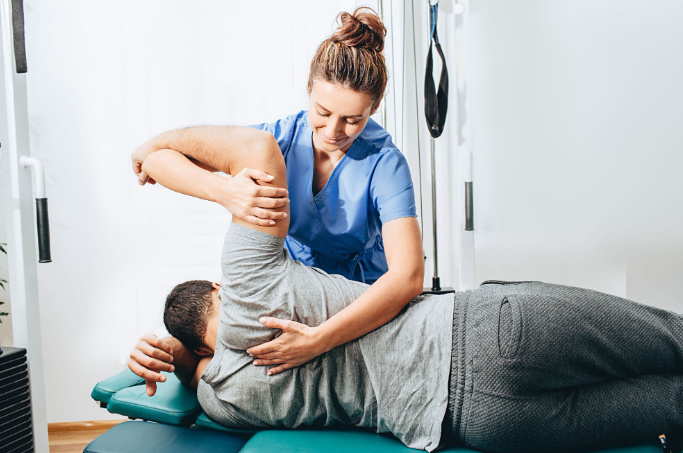

As people age, changes in strength, balance, flexibility, joint movement, and overall mobility can make everyday activities more difficult. Tasks that once felt simple, such as getting out of bed, walking to the bathroom, climbing stairs, or standing from a chair, may gradually require more effort or assistance.
For many older adults, physiotherapy can play an important role in maintaining movement, reducing discomfort, improving confidence, and supporting independence. However, visiting a clinic may not always be convenient or practical for seniors, especially if they have limited mobility, chronic health conditions, or are recovering after hospitalization.
This is where physiotherapy at home can be particularly valuable.
Home-based physiotherapy allows seniors to receive professional support in a familiar environment without the stress of travelling to a clinic. It can also help therapists understand the senior’s real-life mobility challenges and create exercises that are directly relevant to their daily routine.
Elderly physiotherapy at home may be helpful for seniors experiencing weakness, joint stiffness, balance problems, reduced mobility, post-surgical recovery, neurological conditions, or age-related physical decline.
Below are five of the most important reasons seniors can benefit from physiotherapy at home.
1. Physiotherapy at Home Can Improve Mobility and Independence
One of the biggest concerns for older adults is losing the ability to move independently.
Age-related muscle loss, arthritis, previous injuries, neurological conditions, prolonged bed rest, or chronic illnesses can gradually affect walking ability and overall movement.
A senior may begin to struggle with tasks such as:
- Standing from a chair
- Getting in and out of bed
- Walking across the room
- Using stairs
- Getting into a car
- Moving around the bathroom safely
- Maintaining balance while dressing
When these challenges are not addressed, seniors may become increasingly dependent on family members or caregivers.
Physiotherapy at home can help improve mobility through exercises designed around the person’s current abilities and limitations.
A physiotherapist may work on:
- Lower-body strength
- Core stability
- Joint range of motion
- Walking technique
- Posture
- Coordination
- Endurance
- Functional movements
The goal is not simply to perform exercises. It is to help the senior move more safely and confidently during everyday activities.
Functional Exercises Are More Practical at Home
One advantage of elderly physiotherapy at home is that exercises can be performed in the same environment where the senior lives.
For example, the physiotherapist may help the senior practise:
- Getting out of their actual bed
- Standing from their usual chair
- Walking through their hallway
- Using their staircase
- Getting in and out of their bathroom
- Moving between commonly used rooms
This makes therapy more directly connected to the person’s daily routine.
A clinic may provide useful equipment and controlled exercise settings, but the home environment reveals challenges that may not be obvious during an appointment.
For instance, a physiotherapist may notice that a chair is too low, a hallway is difficult to navigate, or the senior struggles with a particular step inside the home.
These observations can help create a more practical rehabilitation plan.
Independence Can Improve Quality of Life
Mobility is closely connected with independence.
When older adults can move more comfortably, they may find it easier to:
- Complete basic daily activities
- Participate in family routines
- Walk around the home
- Attend appointments
- Socialize
- Continue hobbies
- Maintain confidence
For many seniors, even small improvements in movement can make a meaningful difference in everyday life.
2. Elderly Physiotherapy at Home Can Reduce the Risk of Falls
Falls are a major concern among older adults.
A fall can lead to fractures, head injuries, hospitalization, fear of movement, and loss of independence.
Even seniors who have not fallen before may begin limiting their activity because they are afraid of losing balance.
Unfortunately, reducing movement too much can weaken muscles further and may increase the risk of future falls.
Physiotherapy at Home can help identify and address factors that contribute to instability.
These may include:
- Weak leg muscles
- Poor balance
- Reduced flexibility
- Difficulty changing direction
- Slow walking speed
- Joint stiffness
- Poor posture
- Reduced coordination
- Unsafe movement techniques
A physiotherapist can assess how the senior stands, walks, turns, and transfers between positions.
Based on the assessment, they may recommend exercises to improve strength and balance.
Balance Training for Seniors
Balance exercises may include:
- Standing with support
- Weight shifting
- Heel-to-toe movements
- Side stepping
- Controlled turning
- Supported single-leg balance
- Sit-to-stand exercises
The exact exercises depend on the senior’s health, strength, and fall risk.
Exercises should always be appropriate for the individual’s abilities.
Home Safety Can Also Be Assessed
Another benefit of elderly physiotherapy at home is that the therapist can see potential hazards inside the house.
Common fall risks may include:
- Loose rugs
- Slippery floors
- Poor lighting
- Cluttered walkways
- Low furniture
- Difficult stairs
- Lack of bathroom support
- Inappropriate footwear
A physiotherapist may recommend simple changes that make movement safer.
For example, they may suggest:
- Removing unstable rugs
- Improving lighting
- Repositioning furniture
- Installing support rails
- Using a walking aid
- Choosing safer footwear
Preventing falls often requires a combination of physical strengthening and environmental safety.
See also: How Small Businesses Can Use Cryptocurrency
3. Physiotherapy at Home Supports Recovery After Surgery or Hospitalization
Older adults may experience significant weakness after a hospital stay.
Even a relatively short period of bed rest can reduce muscle strength and endurance, particularly in elderly patients.
After returning home, some seniors may struggle with:
- Walking
- Standing
- Climbing stairs
- Bathing
- Dressing
- Getting out of bed
- Regaining confidence
Physiotherapy at home can support the transition from hospital to home.
A physiotherapist can create a gradual rehabilitation plan based on the person’s medical condition, surgical restrictions, pain levels, and mobility.
Recovery After Orthopedic Surgery
Home physiotherapy may be recommended after procedures such as:
- Hip replacement
- Knee replacement
- Fracture repair
- Joint surgery
- Other orthopedic procedures
During recovery, physiotherapy may focus on:
- Improving joint movement
- Rebuilding muscle strength
- Reducing stiffness
- Improving walking
- Restoring balance
- Increasing endurance
- Teaching safe movement techniques
The physiotherapist may also help the patient understand how to use walking aids correctly.
Recovery After General Hospitalization
Not every senior receiving physiotherapy has undergone surgery.
Some older adults simply become weaker after:
- Pneumonia
- Serious infection
- Extended illness
- Intensive care
- Prolonged bed rest
- Chronic disease complications
This condition is sometimes referred to as physical deconditioning.
A senior who previously walked independently may return home needing assistance.
Elderly physiotherapy at home can help rebuild strength gradually while avoiding unnecessary travel during the early recovery period.
Familiar Surroundings Can Make Rehabilitation Easier
Returning home after hospitalization can already feel overwhelming.
Travelling repeatedly to a rehabilitation clinic may add additional physical stress.
Home-based physiotherapy allows seniors to focus on recovery in a familiar setting.
This may be especially helpful for patients who are still weak, using mobility aids, or depending on family members for transportation.
4. Physiotherapy Can Help Manage Pain, Stiffness, and Chronic Conditions
Pain and stiffness can significantly affect quality of life in older adults.
Common causes include:
- Osteoarthritis
- Back pain
- Knee pain
- Hip pain
- Shoulder stiffness
- Muscle weakness
- Previous injuries
- Reduced activity
When movement becomes painful, seniors may begin avoiding physical activity.
However, long periods of inactivity can contribute to further stiffness and weakness.
Physiotherapy at home can help seniors maintain movement through appropriate exercises and mobility techniques.
Depending on the condition, physiotherapy may include:
- Stretching
- Strengthening
- Postural exercises
- Range-of-motion exercises
- Mobility training
- Manual therapy
- Movement education
The aim is to improve function while keeping activity within a safe and manageable level.
Physiotherapy for Arthritis
Arthritis is common among older adults and can affect the knees, hips, hands, spine, and other joints.
Symptoms may include:
- Pain
- Stiffness
- Reduced movement
- Swelling
- Difficulty walking
Regular appropriate movement may help maintain joint mobility and muscle strength.
A physiotherapist can teach exercises that support the joints without placing unnecessary stress on them.
Physiotherapy for Neurological Conditions
Elderly physiotherapy at home may also support seniors living with neurological conditions such as:
- Stroke
- Parkinson’s disease
- Multiple sclerosis
- Certain nerve disorders
Depending on the condition, physiotherapy may focus on:
- Balance
- Coordination
- Walking
- Posture
- Muscle strength
- Functional movement
Home therapy can be particularly valuable when the condition makes transportation difficult.
Reducing Fear of Movement
Some seniors stop moving because they associate activity with pain or falling.
This can create a cycle:
Pain leads to less movement.
Less movement causes weakness.
Weakness makes movement more difficult.
Difficulty moving increases fear.
Physiotherapy can help break this cycle by introducing movement gradually and safely.
5. Physiotherapy at Home Provides Personalized and Convenient Care
Every senior has different needs.
Two older adults of the same age may have completely different mobility levels.
One person may need help recovering after surgery, while another may be trying to maintain strength while living with arthritis or Parkinson’s disease.
This is why personalized therapy matters.
Physiotherapy at home allows the therapist to create a plan based on the individual’s:
- Medical history
- Current mobility
- Pain levels
- Strength
- Balance
- Home environment
- Personal goals
- Daily routine
Treatment Can Focus on Real-Life Goals
Instead of focusing only on general exercises, the physiotherapist can work toward goals that matter to the patient.
For example:
“I want to walk to the bathroom without assistance.”
“I want to climb the stairs again.”
“I want to get out of bed by myself.”
“I want to walk outside with my family.”
“I want to stand long enough to prepare tea.”
These goals can make rehabilitation more meaningful.
No Need to Travel
Transportation is often one of the biggest barriers to healthcare for older adults.
Clinic visits may require:
- Arranging a driver
- Getting the senior into a vehicle
- Managing wheelchairs or walking aids
- Waiting in traffic
- Navigating clinic entrances
- Waiting for appointments
- Traveling home afterward
For a frail senior, the journey itself can be exhausting.
Elderly physiotherapy at home removes much of this difficulty by bringing care directly to the patient.
This can make it easier for families to maintain a consistent therapy schedule.
Additional Benefits of Physiotherapy at Home for Seniors
Beyond the five main benefits, home physiotherapy can support several other aspects of elderly care.
Better Confidence
A senior who has fallen or experienced hospitalization may lose confidence.
They may become afraid to walk without support.
A physiotherapist can help rebuild confidence gradually through supervised practice.
Better Posture
Poor posture can contribute to pain, instability, and difficulty walking.
Physiotherapy can help seniors improve body positioning and movement patterns.
Improved Circulation
Regular movement supports healthy circulation.
Seniors who spend long periods sitting or lying down may benefit from gentle movement and exercise as recommended by their healthcare team.
Family Education
Family members often help seniors move around the home.
A physiotherapist may teach them safer techniques for:
- Supporting walking
- Assisting transfers
- Positioning
- Using mobility aids
This can make everyday caregiving safer for both the senior and the family member.
Who May Benefit from Elderly Physiotherapy at Home?
Home physiotherapy may be helpful for older adults experiencing:
- Difficulty walking
- Weakness
- Balance problems
- Frequent falls
- Joint stiffness
- Arthritis
- Back pain
- Recovery after surgery
- Recovery after hospitalization
- Stroke-related mobility problems
- Parkinson’s disease
- Reduced endurance
- Difficulty climbing stairs
- Loss of independence
It may also be useful for seniors who are mostly homebound or find clinic visits difficult.
The need for physiotherapy should be assessed individually.
What Happens During the First Physiotherapy at Home Session?
The first home physiotherapy session often begins with an assessment.
The physiotherapist may ask about:
- Medical history
- Previous falls
- Pain
- Current medications
- Recent surgery
- Mobility difficulties
- Daily activities
- Personal goals
They may then assess areas such as:
- Muscle strength
- Joint movement
- Balance
- Walking
- Posture
- Transfers
- Functional mobility
Based on these findings, the physiotherapist can develop a treatment plan.
The plan may include exercises to perform during sessions and simple activities to practise between visits.
How Often Does an Elderly Person Need Physiotherapy at Home?
There is no single schedule that is suitable for every patient.
Frequency depends on:
- Medical condition
- Severity of weakness
- Rehabilitation goals
- Recovery stage
- Mobility level
- Therapist recommendation
Some seniors may need more frequent sessions during early recovery, while others may benefit from a less intensive maintenance schedule.
Progress should be reviewed regularly.
How Families Can Support Home Physiotherapy
Family involvement can make rehabilitation easier.
Families can help by:
- Encouraging regular exercises
- Keeping walking areas clear
- Following therapist recommendations
- Helping maintain appointments
- Monitoring changes in mobility
- Encouraging safe daily activity
However, families should avoid forcing exercises that cause significant pain or discomfort.
Any concerning symptoms should be discussed with the physiotherapist or healthcare professional.
Physiotherapy at Home vs Clinic-Based Physiotherapy
Both home-based and clinic-based physiotherapy can be valuable.
Clinic-based physiotherapy may offer access to specialized equipment and facilities.
Physiotherapy at home, however, may be more suitable for seniors who:
- Have difficulty travelling
- Are recovering after hospitalization
- Have significant mobility restrictions
- Require assistance leaving home
- Need therapy focused on their actual living environment
In some cases, a patient may begin with home physiotherapy and transition to clinic-based rehabilitation as mobility improves.
The most appropriate option depends on the person’s needs.
Frequently Asked Questions
Is physiotherapy at home good for elderly people?
Yes. Home physiotherapy can help older adults improve strength, balance, mobility, confidence, and functional independence. The exact benefits depend on the individual’s condition and treatment plan.
Can physiotherapy help elderly people walk again?
Physiotherapy may help improve walking ability when reduced mobility is related to weakness, injury, surgery, hospitalization, or certain health conditions. Recovery depends on the underlying cause and overall health of the patient.
Can elderly physiotherapy help prevent falls?
Yes. Elderly physiotherapy at home can include balance training, strengthening exercises, walking practice, and home-safety recommendations that may reduce fall risk.
Is home physiotherapy suitable after surgery?
It can be useful for many seniors recovering from orthopedic surgery or hospitalization. The physiotherapy program should follow the surgeon’s or healthcare professional’s medical guidance.
How long does elderly physiotherapy take to show results?
Progress varies from person to person. Factors such as age, medical condition, consistency, strength, severity of mobility problems, and rehabilitation goals can all affect recovery.
Does physiotherapy help with arthritis in seniors?
Physiotherapy may help improve mobility, strength, flexibility, and function for many seniors with arthritis. Exercises should be customized to the individual’s condition.
When Should Families Consider Physiotherapy at Home?
Families may consider professional physiotherapy when they notice that an elderly parent is:
- Walking more slowly
- Holding onto furniture for support
- Avoiding stairs
- Struggling to stand from a chair
- Falling frequently
- Complaining of stiffness
- Becoming weaker after illness
- Spending increasing amounts of time in bed
- Losing confidence in walking
- Recovering from surgery or hospitalization
Early support may help prevent further decline in mobility.
Final Thoughts
Age-related physical changes do not necessarily mean that seniors must accept increasing dependence.
The right support can help many older adults maintain movement, confidence, and participation in everyday life.
Physiotherapy at home provides seniors with professional rehabilitation in a familiar environment while reducing the burden of travelling to a clinic.
It can help improve mobility, reduce fall risk, support recovery after hospitalization or surgery, manage pain and stiffness, and create a treatment plan that reflects the senior’s actual daily needs.
For families caring for aging parents, elderly physiotherapy at home can also provide valuable guidance on safe movement, home exercises, and practical ways to support independence.
Most importantly, physiotherapy should be personalized. The best rehabilitation plan is one that considers the senior’s medical condition, current abilities, living environment, and personal goals.
Whether the objective is walking more confidently, standing without assistance, recovering after surgery, managing arthritis, or simply remaining active for longer, home physiotherapy can become an important part of a senior’s overall care plan.