
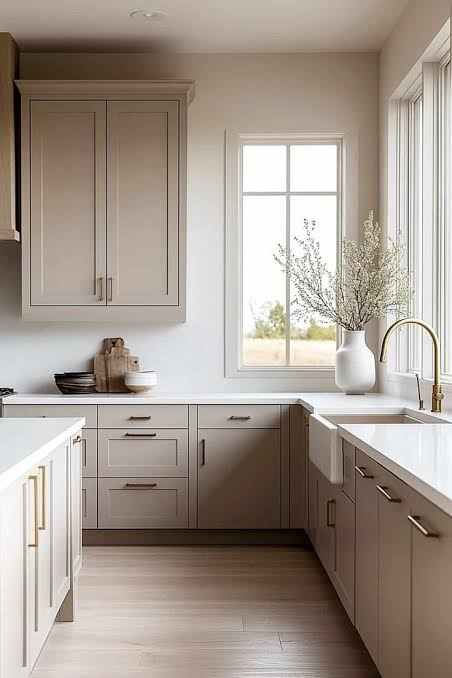

The kitchen is one of the most important spaces in any home. It is where families prepare meals, share conversations, welcome guests, and spend time together. Because the kitchen serves many purposes, its design should combine beauty, functionality, comfort, and durability. One of the most influential elements in achieving کابینت نئوکلاسیک these goals is the quality of the kitchen cabinets. Well-designed cabinets can transform an ordinary kitchen into an attractive, organized, and practical living space.
Choosing quality kitchen cabinets is not simply about selecting attractive doors or matching colors. It involves considering materials, construction, storage capacity, hardware, finishes, and the overall layout of the room. These factors affect how the kitchen looks, how efficiently it works, and how well it maintains its appearance over time. Understanding why quality kitchen cabinets make a difference in home design can help homeowners make better decisions when renovating or building their kitchens.
1. Kitchen Cabinets Establish the Overall Design Style
Kitchen cabinets occupy a significant portion of the visible wall and storage space. As a result, they strongly influence the overall appearance of the room. Their color, shape, texture, and finish can determine whether a kitchen feels modern, traditional, rustic, minimalist, or luxurious.
For example, cabinets with clean lines and smooth surfaces can create a contemporary appearance. Traditional wooden cabinets with decorative details may provide warmth and a classic atmosphere. Meanwhile, natural wood finishes and simple hardware can complement farmhouse or Scandinavian-inspired interiors.
Quality cabinets also offer a more consistent and refined appearance. Carefully manufactured doors, precise edges, and well-applied finishes help create a polished design. When cabinets are selected to complement countertops, flooring, lighting, and wall colors, the entire kitchen feels more coordinated.
Homeowners should therefore consider cabinets early in the design process rather than treating them as a final decorative addition.
2. Better Cabinets Improve Kitchen Organization
An attractive kitchen is valuable, but it must also be practical. Quality kitchen cabinets provide effective storage solutions that help homeowners keep essential items organized and accessible.
Modern cabinet designs can include deep drawers, adjustable shelves, pull-out trays, corner storage systems, spice racks, and dedicated spaces for kitchen appliances. These features help make better use of available space, particularly in smaller kitchens where every inch matters.
Well-planned storage can also reduce countertop clutter. When cookware, dishes, utensils, and food preparation equipment have designated locations, the kitchen becomes easier to maintain and more comfortable to use.
For busy households, organized cabinets can make everyday activities faster and more convenient. Instead of searching through crowded cupboards, family members can quickly find the items they need.
The most effective cabinet arrangement depends on the homeowner’s lifestyle, cooking habits, and available space. A thoughtful combination of shelves, drawers, and specialized storage features can significantly improve the kitchen’s functionality.
3. Durable Materials Provide Long-Term Value
Kitchen cabinets experience frequent use. Doors open and close throughout the day, drawers carry heavy cookware, and cabinet surfaces are exposed to moisture, heat, grease, and occasional spills. Low-quality materials may deteriorate quickly under these conditions.
Quality kitchen cabinets are generally designed with durability in mind. Depending on the product, they may use solid wood, plywood, high-quality engineered wood, or other suitable cabinet materials. Each option has different characteristics, so homeowners should evaluate the construction rather than relying on appearance alone.
Strong cabinet boxes, reliable joints, properly fitted doors, and durable finishes can help cabinets withstand everyday use. Moisture-resistant construction is particularly important near sinks and dishwashers, where water exposure is more likely.
Although higher-quality cabinets may require a larger initial investment, their longer service life can reduce the need for repairs, replacements, and repeated renovations. Homeowners should compare expected durability, maintenance requirements, warranties, and total ownership costs when evaluating their options.
4. Quality Cabinets Maximize Available Space
Every kitchen has its own layout and storage challenges. Some homes have compact kitchens with limited wall space, while others feature large open-plan areas that require a balance between storage and visual openness.
Quality cabinetry can be designed to suit these different requirements. Floor-to-ceiling cabinets can make use of vertical space, while corner units can help reduce unused areas. Deep drawers may provide easier access to heavy pots and pans than traditional lower cupboards.
Custom or semi-custom cabinets can also accommodate unusual room dimensions, architectural features, and specific storage needs. This flexibility can be particularly helpful in older homes or kitchens with awkward corners.
In smaller kitchens, thoughtful cabinet design can make the room feel more spacious. Light-colored finishes, simple door profiles, and well-planned storage can reduce visual clutter. In larger kitchens, carefully arranged cabinetry can create defined work areas while maintaining a balanced appearance.
The goal is to ensure that the cabinets support the room’s layout instead of making it feel crowded or inefficient.
5. Attractive Finishes Enhance the Home’s Interior
Cabinet finishes play a major role in the visual character of a kitchen. Even when two kitchens have similar layouts, different cabinet colors and textures can produce completely different results.
White and cream cabinets often create a bright, timeless atmosphere. Natural wood finishes add warmth and texture, while darker shades can introduce depth and sophistication. Soft gray, muted green, and other understated colors can also complement a wide range of interior styles.
Quality finishes help preserve the intended appearance of the cabinets. A properly applied finish can improve resistance to ordinary stains, scratches, and daily wear, depending on the material and coating used.
Homeowners should consider how cabinet finishes will look under natural and artificial lighting. A color that appears attractive in a showroom may look different in a kitchen with limited daylight or warm lighting.
It is also helpful to choose finishes that coordinate with countertops, backsplashes, flooring, and appliances. This creates a consistent design without requiring every surface to match exactly.
6. Reliable Hardware Improves Everyday Comfort
Cabinet hardware may seem like a small detail, but it has a noticeable effect on daily kitchen use. Hinges, drawer slides, handles, and soft-close mechanisms influence how smoothly cabinets operate.
Poor-quality hardware can cause doors to sag, drawers to stick, and handles to loosen over time. These issues can make even attractive cabinets frustrating to use.
Quality hardware is designed to provide reliable movement and support. Soft-close hinges and drawer systems can reduce slamming, limit unnecessary noise, and create a more comfortable experience. Strong drawer slides are particularly useful for storing heavier kitchen equipment.
The choice of handles and knobs also contributes to the overall design. Minimalist hardware may suit modern kitchens, while decorative handles can complement traditional cabinetry.
When selecting cabinets, homeowners should inspect the hardware as carefully as the doors and exterior finishes. Smooth operation and sturdy construction are important indicators of practical quality.
7. Quality Cabinets Can Support Home Resale Value
The kitchen is an important consideration for many prospective homebuyers. A clean, functional, and visually appealing kitchen can make a positive impression during property viewings.
Quality cabinets can contribute to this impression by providing attractive finishes, organized storage, and a well-maintained appearance. Buyers may appreciate cabinetry that looks durable and does not require immediate replacement.
However, cabinet upgrades do not guarantee a specific increase in property value. The financial benefit depends on factors such as the local housing market, the quality of the renovation, the home’s overall condition, and buyer preferences.
For homeowners planning to sell in the future, versatile cabinet styles are often a sensible choice. Neutral colors, durable materials, and practical storage can appeal to a broad range of buyers.
Even for homeowners who have no immediate plans to sell, investing in well-made cabinets can improve the enjoyment and usability of the property for years.
8. Sustainable Choices Can Benefit Modern Homes
Many homeowners are becoming more interested in materials that support responsible construction and long-term use. Kitchen cabinets can contribute to these goals when they are selected carefully.
Durable cabinets may reduce waste by lasting longer before replacement becomes necessary. Homeowners can also look for responsibly sourced wood, recycled-content materials where appropriate, and products manufactured with lower-emission adhesives or finishes.
Certifications and manufacturer documentation can help buyers evaluate environmental claims. It is important to compare actual product information rather than assuming that every premium cabinet is automatically sustainable.
Another practical approach is to select timeless designs that are less likely to feel outdated after a few years. Replacing handles or refreshing a finish, when suitable for the material, may extend the useful life of a kitchen without requiring a complete renovation.
9. How to Choose the Right Kitchen Cabinets
Selecting the best kitchen cabinets requires more than comparing prices or choosing a popular color. Homeowners should begin by measuring the available space and identifying their storage priorities.
Next, they should compare cabinet materials, construction methods, finishes, and hardware. Asking about warranty coverage, installation requirements, cleaning instructions, and repair options can also provide useful information.
It is important to balance the renovation budget کابینت مدرن across the entire kitchen. Cabinets should work well with countertops, lighting, appliances, plumbing, and flooring. Spending heavily on cabinetry while overlooking essential installation details may lead to an unbalanced result.
Professional advice can be helpful when a kitchen has an unusual layout or requires specialized storage. Experienced designers and installers can identify potential problems before installation begins and help homeowners choose solutions that fit their needs.
Before making a final decision, review samples in the actual kitchen environment and confirm all measurements. Careful planning helps reduce costly mistakes and supports a more satisfying result.
Conclusion
Quality kitchen cabinets make a difference in home design because they combine visual appeal with everyday practicality. They establish the kitchen’s style, improve organization, maximize available space, and provide durability for regular use. Carefully selected materials, attractive finishes, and reliable hardware can also contribute to a more comfortable and efficient cooking environment.
Although quality cabinetry may require a greater initial investment, its long-term benefits can make it a worthwhile consideration for many homeowners. The best choice depends on the room’s dimensions, household needs, design preferences, and available budget.
By focusing on construction, functionality, appearance, and long-term value, homeowners can create a kitchen that looks inviting and works efficiently. Ultimately, well-chosen kitchen cabinets are more than storage units; they are a central part of a thoughtfully designed home.
