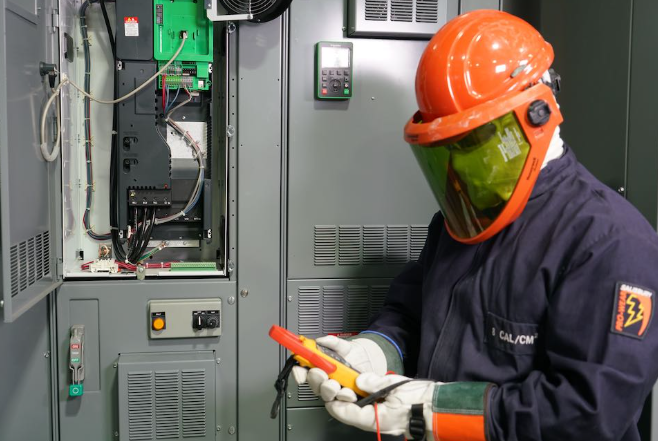

Electrical work requires careful planning, suitable tools, and protective equipment designed for the hazards involved. Whether technicians maintain control panels, service electrical installations, or perform authorised testing, even a brief mistake can expose them to dangerous electrical energy. A reliable safety programme therefore combines risk assessment, isolation procedures, training, and equipment selected for the specific task.
Insulating gloves are an important part of electrical personal protective equipment when work procedures require hand protection against electrical hazards. However, not all gloves offer the same level of protection. Their suitability depends on the electrical classification, the condition of the gloves, the work environment, and the procedures established by the employer.
Understanding glove classes and their limitations helps safety managers and electrical professionals make informed purchasing decisions. It also reinforces an essential principle: protective equipment supplements established electrical safety practices rather than replacing them.
Understanding Electrical Insulating Gloves
Electrical insulating gloves are manufactured from suitable insulating materials and tested against defined electrical performance requirements. They are designed to reduce the risk of electrical current passing through the hands when used within their rated conditions.
These gloves differ from ordinary work gloves. General-purpose leather, fabric, or coated gloves may protect against abrasion, dirt, or minor mechanical hazards, but they should not be assumed to provide protection against electrical shock.
Electrical insulating gloves must be selected according to the voltage exposure, applicable standards, and the specific work procedure. Their effectiveness also depends on proper inspection, storage, maintenance, and testing.
What Does Class 00 Mean?
Electrical insulating gloves are classified according to recognised standards and their specified electrical performance. Under commonly used standards, Class 00 gloves are associated with a maximum AC use voltage of 500 volts and a maximum DC use voltage of 750 volts. Users must verify the applicable standard, marking, and manufacturer documentation for the specific product.
These values are not permission to work on any circuit below the stated limits without further assessment. The actual task may involve transient voltages, fault conditions, environmental hazards, or other factors that influence the required protection.
Before choosing a glove class, determine the maximum possible exposure and follow the applicable electrical safety rules. When the voltage or task requirements exceed the product’s approved limits, a different protective approach is necessary.
Why Proper Glove Selection Matters
Reducing Electrical Shock Risk
Contact with an energised conductor can allow current to pass through the body, potentially causing serious injury or death. Insulating gloves can provide a protective barrier when they are appropriate for the exposure and maintained in suitable condition.
They must not be treated as a guarantee against every electrical hazard. Damage, contamination, unsuitable sizing, or use beyond the rated conditions may undermine their protective function.
Electrical isolation, verification of absence of voltage, appropriate barriers, and approved working procedures remain fundamental safety measures.
Supporting Consistent Work Practices
Electrical teams often perform similar tasks across multiple sites. Standardised glove selection and inspection procedures help reduce confusion and improve consistency.
Employers should establish clear rules for identifying the correct glove class, checking markings, verifying inspection or test status, and removing unsuitable equipment from service.
Improving Hand Protection During Specialist Tasks
Insulating gloves are designed for electrical protection, but workers may also face cuts, abrasion, heat, or other physical hazards. Depending on the risk assessment, compatible protective gloves may be required over or alongside the insulating gloves.
Any additional glove must be suitable for the application and must not interfere with the insulating glove’s integrity or required performance.
Factors to Consider When Selecting Class 00 Gloves
Confirm the Voltage Rating
Start by identifying the electrical system and the maximum exposure that could occur during the planned work. Verify that the glove’s class and documented ratings meet the applicable requirements.
Do not select protective equipment based only on a nominal system voltage. Transient conditions, fault scenarios, and the exact task may require additional controls or a higher protection level.
Check Standards and Certification
Product markings and supporting documentation should identify the applicable standard and relevant classification. Depending on the market and workplace, requirements may refer to standards such as ASTM D120 or IEC 60903.
The purchasing team should confirm which standard applies to the project and verify that the supplied product meets that requirement. Do not assume that a class designation alone establishes compliance with every regional regulation.
Choose the Correct Size
Gloves that fit poorly can reduce dexterity and make work more difficult. Excessively tight gloves may create discomfort, while oversized gloves can interfere with grip and precise movements.
Select the size recommended by the manufacturer and ensure that the glove length and fit are appropriate for the task. Workers should be able to handle approved tools without compromising the protective equipment.
Consider the Work Environment
Temperature, humidity, contamination, sharp edges, and the presence of chemicals can affect the condition or suitability of insulating gloves. The specific material and product instructions determine which environmental conditions are acceptable.
Where the work involves additional hazards, select compatible protective equipment and follow the employer’s safety procedures. Gloves should not be exposed to substances or conditions prohibited by the manufacturer.
Inspection, Testing, and Maintenance
Inspect Before Each Use
Before wearing insulating gloves, examine them for visible damage, contamination, deterioration, and signs of improper storage. Check the entire glove, including the cuff and areas that may be difficult to see.
Follow the manufacturer’s approved inspection method. If a glove shows damage or there is uncertainty about its condition, remove it from service until it has been assessed according to the relevant procedure.
A glove that looks acceptable is not necessarily guaranteed to be safe, so visual checks must form part of a broader inspection and testing programme.
Follow Required Electrical Testing
Electrical insulating gloves may require periodic electrical testing under the applicable standard and workplace procedures. The interval and requirements depend on the standard, product classification, and use conditions.
Maintain clear records of test dates, results, and service status. Never rely on an expired test status or use equipment whose history cannot be verified when the applicable rules require documented testing.
Store Gloves Correctly
Store gloves in a clean, dry location protected from direct sunlight, excessive heat, ozone sources, and other conditions identified by the manufacturer as harmful.
Avoid folding, compressing, or placing heavy objects on the gloves. Suitable storage bags or containers can help protect them from contamination and physical damage between uses.
Clean According to Manufacturer Guidance
If cleaning is permitted, use the specified method and products. Unsuitable solvents or cleaning agents may damage the insulating material.
Allow gloves to dry completely as directed before returning them to service. Do not attempt unapproved repairs, because a damaged insulating glove may no longer provide the intended protection.
See aslo: How Small Businesses Can Use Cryptocurrency
Training and Safe Work Procedures
Protective equipment works best when workers understand both its capabilities and limitations. Training should cover glove selection, inspection, correct use, storage, reporting damaged equipment, and the electrical hazards associated with each task.
Supervisors should ensure that employees understand when work must be stopped and escalated. If a task cannot be completed safely using the available equipment and procedures, workers should not improvise or exceed the product’s rating.
Employers should also review electrical safety procedures periodically, particularly when equipment, work methods, or site conditions change.
Choosing a Reliable Supplier
Purchasing electrical insulating gloves requires more than comparing prices. Buyers should review product classification, applicable standards, traceability, test documentation, size availability, and the supplier’s ability to provide clear technical information.
When evaluating ppemax Class 00 Electrical Insulating Rubber Gloves verify the product’s documented voltage ratings, applicable compliance information, inspection and testing requirements, and recommended storage conditions. Confirm that the specific product meets the requirements of the intended work before placing it into service.
A dependable supplier should provide clear product identification and supporting documentation. For organisations managing multiple teams, consistent supply and traceable records can simplify equipment control and replacement planning.
Cost should be evaluated alongside product suitability, service life, testing requirements, and procurement reliability. In electrical safety, choosing an unsuitable glove to reduce initial expenditure can create far greater risks.
Frequently Asked Questions
1. What voltage is Class 00 insulating glove protection associated with?
Under commonly used classifications, Class 00 is associated with a maximum AC use voltage of 500 volts and a maximum DC use voltage of 750 volts. Always confirm the applicable standard and the exact product markings before use.
2. Can insulating gloves replace electrical isolation procedures?
No. Insulating gloves are only one possible protective measure. Follow the required isolation, verification, risk assessment, and safe-work procedures for the task.
3. How should electrical insulating gloves be maintained?
Inspect gloves before use, follow the applicable electrical testing schedule, clean them only as instructed, and store them in suitable conditions. Remove damaged or questionable equipment from service according to the established procedure.
Conclusion
Electrical insulating gloves are an important component of a properly managed electrical safety programme. Selecting the correct class, verifying product documentation, and maintaining equipment carefully help ensure that the gloves are appropriate for the intended task.
Class 00 products are designed for defined electrical conditions, not unrestricted use on any low-voltage installation. By combining suitable protective equipment with training, inspection, testing, and established safe-work practices, organisations can improve consistency and reduce avoidable electrical risks.