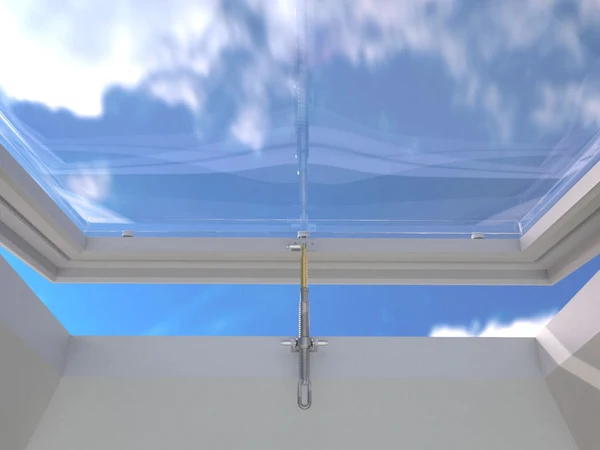

Natural daylight and fresh air can make a noticeable difference to the atmosphere of a home. Rooms beneath flat roofs, including kitchen extensions, loft conversions, and open-plan living areas, can benefit particularly from roof glazing. Electric opening roof lights offer a practical way to bring daylight into these spaces while allowing occupants to ventilate their homes with the press of a button.
Unlike fixed roof glazing, electric opening roof lights can open and close using a powered mechanism. This makes them useful in locations where manual operation would be difficult, such as high ceilings or roof areas above kitchen islands and stairwells. Their clean appearance also suits many contemporary architectural styles.
Bringing Daylight into Hard-to-Light Rooms
Extensions often create additional living space, but their position within a property can limit the amount of sunlight reaching the interior. A room with windows along only one wall may have bright areas near the glazing and darker corners further away.
Roof lights introduce daylight from above, helping distribute illumination across the room. The amount of light depends on the rooflight dimensions, glazing specification, roof orientation, surrounding buildings, and weather conditions. A carefully positioned unit can make a kitchen feel more open or help a dining area feel less enclosed.
Electric opening models provide these daylight benefits while adding ventilation. Homeowners can choose a suitable opening size and position based on the room layout, ceiling height, and intended use.
Fresh Air at the Touch of a Button
Ventilation is one of the main reasons homeowners choose an opening rooflight rather than a fixed unit. Warm air often gathers near the ceiling, particularly in kitchens, conservatories, and upper-floor rooms. Opening a rooflight can help release this accumulated heat and allow fresh air to enter through other windows or doors.
Electric operation makes the process easier. A wall switch or compatible remote control can open the unit without requiring a person to reach a handle or climb towards the ceiling. Some systems also offer rain sensors, automatic closing functions, or integration with home automation equipment, depending on the model.
These features can be useful when the weather changes unexpectedly or when occupants leave the room. However, homeowners should check exactly which controls and sensors are included, as automation features vary between products.
Effective ventilation still depends on the wider room design. A rooflight works best when there is a suitable route for replacement air to enter the building. It should also be used alongside appropriate kitchen extraction and other ventilation provisions where required.
A Practical Choice for Contemporary Homes
Electric opening roof lights are available in different sizes and frame finishes, making it easier to coordinate them with a property’s architectural design. Slim frames can create a restrained appearance, while larger glazed areas may suit extensions with open-plan layouts and high ceilings.
A rooflight positioned above a kitchen island can introduce daylight to a frequently used work area. In a dining room, it can create a brighter setting for meals. In a stairwell, it may help illuminate a central part of the house that receives little light from conventional windows.
The visual result depends on more than the product itself. Roof structure, internal finishes, furniture placement, and the direction of daylight all influence the final appearance. Planning the rooflight alongside the extension’s layout can help avoid awkward positions or unnecessary structural alterations.
Choosing Glazing for Comfort Throughout the Year
Roof glazing must perform well in both summer and winter. A large glass area may admit useful daylight, but it can also contribute to unwanted solar heat gain during sunny weather. During colder months, heat can escape through poorly specified glazing or inadequately insulated roof junctions.
Double or triple glazing, low-emissivity coatings, insulated frames, and suitable edge details can improve thermal performance. The right specification depends on the building, local climate, roof orientation, and applicable energy requirements.
Solar-control glazing may help reduce overheating on roofs that receive strong sunlight. However, the balance between daylight transmission and solar control should be considered carefully, as reducing solar gain can also affect the amount of visible light entering the room.
Homeowners should compare the manufacturer’s documented thermal and acoustic performance rather than judging a rooflight by appearance alone. Correct installation is equally important because even a well-made unit can perform poorly if the surrounding roof is inadequately insulated or sealed.
Safety, Rain Protection, and Everyday Operation
An electric opening rooflight must be designed for its position and intended use. Products installed above occupied rooms should provide suitable weather resistance and secure closing mechanisms. The opening system, frame, seals, and surrounding roof construction must work together to prevent water ingress.
Rain sensors can provide added convenience, but they should not replace routine inspection or proper installation. Drainage channels must remain clear, seals should be checked periodically, and moving components should be maintained according to the manufacturer’s instructions.
Safety glazing is another important consideration, particularly where the unit is installed above people or furniture. The glass specification should suit the roof application, including relevant requirements for impact resistance and protection against falling glass. Any opening intended for roof access or emergency escape must meet the specific requirements for that purpose; a standard ventilation rooflight should not automatically be assumed to serve either function.
Electrical work should be completed in accordance with applicable regulations. Installers should also confirm that controls are accessible and that the unit can be operated safely during normal use and maintenance.
Planning the Right Position and Size
The best location for an electric opening rooflight depends on how the room is used. A kitchen may benefit from a position that supports daylight over the preparation area, while a living room may need more even illumination. Roof joists, drainage routes, existing services, and the extension’s structural design can restrict possible locations.
Larger units admit more daylight, but size should be proportionate to the room and roof. Multiple smaller roof lights can sometimes distribute light more evenly than one large opening, although this depends on the layout and structural requirements.
Homeowners should also consider how the rooflight will look from outside. Frame colour, glazing proportions, and alignment with windows or doors can influence the appearance of the finished extension.
Maintenance That Protects Long-Term Performance
Electric opening roof lights contain both glazing and mechanical components. Regular maintenance helps preserve their performance. Homeowners should keep drainage points clear, inspect visible seals, clean the glass with suitable products, and watch for unusual noise or resistance during operation.
The motor, control system, and sensors should be checked in line with the manufacturer’s guidance. Repairs should be handled by a qualified professional when electrical or mechanical components require attention.
A Considered Addition to a Home Extension
Electric opening roof lights combine overhead daylight, controllable ventilation, and convenient operation in one roof feature. They are particularly useful in rooms where high ceilings or awkward roof positions make manual opening impractical.
The best results come from selecting suitable glazing, planning the position early, and ensuring that the roof structure and installation meet the product’s requirements. With those details addressed, an electric opening rooflight can support a brighter, more comfortable living space without compromising the practical needs of the building.