
Returning to physical activity after having a baby is a personal process. Some people may feel ready to move relatively soon, while others need more time because of pregnancy-related changes, childbirth recovery, sleep disruption, or other circumstances.
Exercise after childbirth should therefore be approached gradually and with appropriate professional guidance.
Pilates is one form of movement that may be incorporated into a postnatal fitness routine when it is suitable for the individual. Its focus on controlled movement, posture, breathing, stability, and body awareness can make it an interesting option for people returning to structured exercise.
However, postnatal exercise should never be treated as a race to return to a previous fitness level.
Why Postnatal Exercise Requires Individual Planning
Pregnancy and childbirth can affect the body in many ways.
Changes may involve posture, abdominal muscles, pelvic floor function, balance, strength, and general energy levels.
Recovery also differs depending on the individual and the type of delivery.
This means there is no universal timeline for returning to exercise.
Before beginning or increasing exercise after childbirth, especially following complications or surgery, it is sensible to discuss readiness with an appropriate healthcare professional.
What Makes Pilates Different?
Pilates generally emphasizes controlled movement rather than high-impact activity.
Sessions may focus on posture, breathing, stability, mobility, and strengthening.
These qualities can be useful when rebuilding an exercise routine, but exercises still need to be adapted according to the individual’s current condition.
A postnatal programme should not simply copy a standard Pilates class.
Understanding Postnatal Pilates
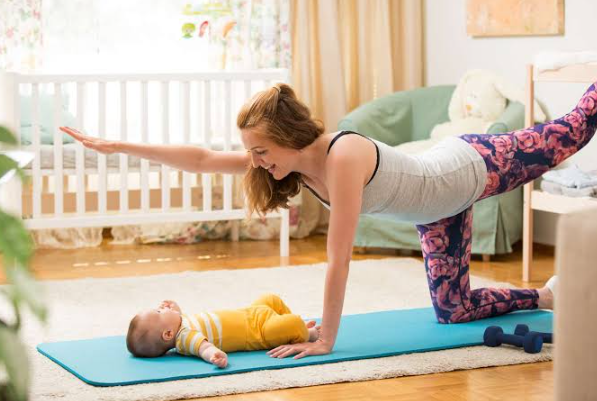
Postnatal Pilates is designed with the needs of people recovering after childbirth in mind.
The focus can include gradual movement, core awareness, posture, controlled strengthening, and mobility.
The exact exercises should depend on factors such as recovery stage, previous exercise experience, delivery history, and any medical concerns.
Professional instruction can help ensure that movements are appropriate.
The Importance of Professional Guidance
A qualified instructor can adapt exercises to the participant’s needs.
This is particularly important after childbirth because two people who gave birth at the same time may have very different recovery experiences.
An instructor should be informed about relevant medical restrictions and any recommendations provided by healthcare professionals.
Clear communication helps create a safer and more comfortable exercise environment.
Starting Slowly
Returning to exercise does not require doing a full workout immediately.
A gradual approach can begin with simple movements and progress as comfort and strength improve.
The focus should be on how the body responds rather than meeting a predetermined performance target.
If exercise causes pain, unusual symptoms, or significant discomfort, stop and seek appropriate medical advice.
Posture and Body Awareness
Pregnancy can change posture and movement patterns.
Pilates exercises often emphasize alignment and controlled movement, which can help participants become more aware of how they position and move their bodies.
This does not mean Pilates automatically corrects every postural issue.
Instead, it can provide an opportunity to practice controlled movement under appropriate instruction.
Core Strength After Pregnancy
The abdominal area can change significantly during pregnancy.
Postnatal exercise may gradually introduce exercises designed to rebuild strength and coordination.
However, the intensity and type of core exercise should be appropriate for the individual’s recovery.
Anyone with concerns about abdominal separation, pelvic floor symptoms, pain, or other postpartum issues should seek professional medical or physiotherapy guidance.
Pelvic Floor Considerations
The pelvic floor is another area that may be affected during pregnancy and childbirth.
Some people experience symptoms such as pressure, discomfort, leakage, or difficulty controlling the pelvic floor.
These symptoms should not simply be ignored during exercise.
A healthcare professional or appropriately qualified pelvic health physiotherapist can provide individualized advice when needed.
Choosing the Right Class
Not every Pilates class is designed for postnatal participants.
When choosing a programme, ask whether the instructor has experience working with people after childbirth.
It can also be useful to ask about class size, exercise modifications, session structure, and whether private instruction is available.
A smaller or specialized class may allow more individualized attention.
One-to-One Support
Some people prefer individual instruction when returning to exercise.
A one-to-one session can allow the instructor to understand the participant’s goals, movement patterns, and limitations.
This can be particularly useful for someone returning after a longer break or who wants a highly personalized programme.
Private instruction should still take place within appropriate professional and medical boundaries.
Balancing Exercise With Recovery
New parents often have limited time and disrupted sleep.
Exercise should therefore be realistic.
Short, consistent sessions may be more manageable than demanding workouts.
Rest and recovery are also part of a postnatal fitness routine.
There is no need to compare your progress with someone else’s. Recovery is individual.
Three Common Questions
1. When can I begin postnatal exercise?
The appropriate time varies according to the individual and the type of pregnancy and delivery. Follow advice from your healthcare provider before returning to structured exercise.
2. Is Pilates suitable after childbirth?
It may be suitable for some people when appropriately adapted. A qualified instructor and healthcare professional can help determine what is appropriate.
3. What if I experience pain during exercise?
Stop the exercise and seek appropriate professional advice, particularly if pain is persistent, severe, or associated with other concerning symptoms.
Conclusion
Returning to exercise after childbirth should be gradual, individualized, and focused on recovery rather than speed. Pilates may offer a controlled form of movement for people who are ready to resume structured exercise, particularly when sessions are adapted to postnatal needs.
For those exploring specialized movement programmes, postnatal pilates can be considered as one option after receiving appropriate professional clearance and guidance. The priority should always be comfort, recovery, and individual needs.