
A chair can be one of the smallest pieces of furniture in a room and still have an outsized effect on how that room works. Dining chairs determine whether guests linger over a meal. An occasional chair can turn an unused corner into a reading spot. The wrong desk chair may make a compact workspace awkward to use, while a bedroom chair sometimes becomes little more than an expensive clothes rail. The starting question should therefore be simple: what will someone actually do while sitting here? Once that is clear, dimensions, materials, comfort and appearance become much easier to compare. The same design is rarely the best answer in every room.
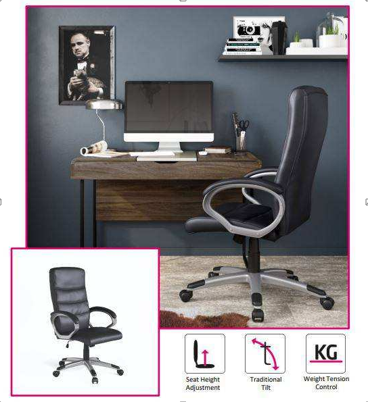
CHAIR EXAMPLE | An adjustable desk chair with a supportive backrest and armrests.
Dining Chairs Need More Than a Matching Finish
Measure the dining table before buying chairs. Seat height, seat width and the space between table legs all affect whether diners can sit and move comfortably. Allow roughly 60 centimetres of table edge per person as an initial planning guide, then adjust for generous chair arms or a particularly wide design. Check that the chair can slide under the tabletop without its seat or armrests catching the apron. A chair that looks elegant beside the table may be irritating if it forces everyone to sit too far away.
For families, wipe-clean surfaces and durable finishes may matter more than delicate detailing. Upholstered seats provide softness but require thought about stains, removable covers and fabric care. Hard seats can work well with cushions, provided the added height does not make the table uncomfortable. Mix-and-match dining chairs are perfectly possible; consistency in seat height and overall scale matters more than identical upholstery.
See also; Cosmetic Surgery Abroad: Why Poland Is an Attractive Choice for UK Patients
Give Living-Room Seating a Purpose
An extra armchair is most useful when its position makes sense. Place it near the sofa for conversation, beside a window for reading or at the edge of a larger room to create a second seating zone. Measure the chair’s full depth, not just its seat, and leave enough space to pass between furniture without turning sideways. A low-slung lounge chair may suit relaxed reading but be inconvenient for someone who prefers a more upright seat or finds rising from low furniture difficult.
Test the back angle, cushion firmness and armrest height if possible. Deep chairs invite lounging; shallower seats often support more upright conversation. Fabric, timber, leather and metal each bring different maintenance considerations. Think about the room’s light and the household’s routines before choosing a delicate finish simply because it looks appealing in a styled photograph.
Compare Chairs as a Category, Then Narrow the Choice
Retailer collections can be useful for comparing shapes before committing to a particular style. Browsing the chairs offered by Price Crash Furniture, for example, can help readers identify the broad types of seating they want to investigate, although exact specifications should always be checked on individual listings. Make a short list using seat height, overall width, upholstery, care requirements and intended use rather than selecting on colour alone.
When comparing similar designs, look at their footprints against a simple floor plan. An armchair with generously splayed legs can occupy more floor than its cushion dimensions suggest. Likewise, dining chairs with broad arms need more elbow room than compact side chairs. If buying several, mark out the combined arrangement rather than measuring a single chair and multiplying its width without allowance for access.
In the Bedroom, Think Beyond Decoration
A bedroom chair can be a genuinely helpful addition if there is room to use it. A compact upholstered chair near a wardrobe makes getting dressed easier, while a small occasional seat beside a window creates a quiet spot for reading. In a narrow bedroom, an armless chair or petite stool may provide the function without obstructing wardrobe doors. Prioritise stability and a comfortable seat height if it will be used for putting on shoes.
Resist using an attractive chair as substitute storage. If clothes regularly end up draped over it, a valet rail, hook or laundry basket may solve the real problem more effectively. Position the chair where it receives adequate light without blocking a radiator or access to the bed. The best bedroom seating looks intentional because someone can actually sit in it.
Home-Office Chairs Should Suit the Workload
Occasional laptop use and a full working week create different demands. A neatly upholstered side chair may be acceptable for a short administrative task, but longer sessions usually make adjustability and desk compatibility more relevant. Check the seat’s height range, how the backrest feels and whether arms interfere with the desk. Allow space behind the chair for moving in and out, especially if the desk sits in a recess.
Before choosing upholstery, request a fabric sample where one is offered. Look at it in the room’s daylight and under lamps, as colour and texture can shift considerably. If children, pets or frequent guests use the chair, prioritise practical care requirements and a fabric you can maintain. A removable seat cushion may make cleaning easier, but examine its fittings and construction rather than assuming every removable cover can be machine washed. The right finish is the one that still looks appropriate after ordinary use.
Flooring also affects the choice. Castors may work well on a suitable hard surface, while fixed legs can be preferable when the chair is used at a multipurpose table. No chair removes the value of standing, moving and changing tasks regularly. Choose features you will use rather than buying based on a long list of unfamiliar mechanisms.
Let Function Lead the Design
Choosing chairs room by room does not mean abandoning a coherent interior. Repeated wood tones, related fabrics or a shared colour palette can bring very different forms together. Start with the activity, check the measurements and then choose a finish that suits the room. The result is a home with places people genuinely want to sit, not just furniture that looks coordinated.