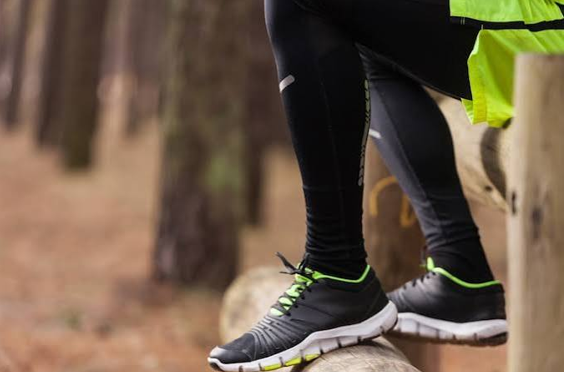

Walking habits are often shaped by small, everyday decisions. The route taken to work, the shoes worn for errands, and the amount of time spent on hard pavement can all influence how comfortable a walk feels. For people who pay attention to foot movement, footwear design offers another detail worth considering. Zero drop shoes have a level sole, meaning the heel and forefoot sit at the same height rather than placing the heel above the toes.
This design changes the relationship between the foot and the ground compared with conventional shoes that have a raised heel. Some walkers appreciate the more level position and the roomier designs often found in this category. Others need time to adjust because their feet and lower legs may be accustomed to shoes with more heel elevation or cushioning. Understanding how these shoes work can help walkers decide whether they fit their daily routines.
What the Zero-Drop Design Actually Means
The term zero drop describes the difference in height between the heel and the forefoot. In a zero-drop shoe, both areas sit at the same level relative to the ground. This does not necessarily mean the shoe is completely flat, thin, or without cushioning.
Some models have substantial cushioning beneath the entire foot, while others use thinner soles to create a closer connection with the walking surface. Toe-box width, flexibility, arch support, and outsole grip also vary between designs.
These differences matter because two pairs of zero-drop footwear can feel very different during a walk. One may offer generous cushioning for pavement, while another may be designed for people who prefer a more flexible sole.
A level heel-to-toe profile also does not guarantee that a shoe will suit every foot. Comfort depends on individual anatomy, walking habits, the surface underfoot, and the amount of support a person prefers.
See also: How Insurers Can Reduce Customer Complaints Through Better Grievance Management
Small Changes in Foot Position Can Affect Your Stride
Shoes influence how the foot sits before a walking step even begins. A raised heel changes the angle between the foot and the lower leg, while a zero-drop design keeps the heel and forefoot at the same height.
Some walkers find this position comfortable because it feels less inclined from heel to toe. Others notice that their calves and Achilles tendons feel different during movement, particularly during the first few walks.
A level sole does not automatically correct posture or create a more natural gait. People have different stride patterns, mobility levels, and walking speeds. The aim should be to find footwear that supports comfortable movement rather than forcing the body to follow a particular style.
Pay attention to how your feet contact the ground, whether your steps feel controlled, and if discomfort develops during or after walking. These observations can help determine whether the shoe suits your routine.
Give Your Feet Time to Adjust
Switching to zero drop shoes after years of wearing raised-heel footwear may introduce a noticeable change in how the lower legs feel. The calves and Achilles tendons can experience different demands, especially if the new shoes are also thinner or more flexible than the previous pair.
Starting with a full day of walking is rarely the most sensible approach. A gradual transition gives the body time to respond and allows the wearer to assess comfort before increasing the distance.
Begin with short walks on familiar, even surfaces. Use the shoes for a limited period, then return to your usual footwear if fatigue or discomfort develops. Increase the duration gradually only when the shorter walks feel comfortable.
The adjustment period varies from person to person. There is no universal number of days that guarantees readiness for longer walks. Persistent pain, swelling, or increasing discomfort should not be treated as a normal part of adaptation. Stop using the shoes and seek appropriate professional advice if these symptoms occur.
The Right Pair Depends on Your Daily Route
A walking routine can involve smooth indoor floors, pavements, park paths, stairs, and uneven ground. Each surface creates different demands, so the construction of the shoe deserves attention alongside its heel-to-toe profile.
For regular pavement walking, adequate cushioning may help improve comfort over longer distances. People who prefer park trails may need stronger outsole traction and greater protection from stones or rough surfaces.
A flexible sole can make the shoe feel less restrictive, but too little protection may become uncomfortable on hard or uneven terrain. Similarly, a wide toe box can provide useful room for the toes without guaranteeing a good fit everywhere else.
Before purchasing a pair, consider how far you usually walk, the surfaces you encounter, and the conditions in which you will wear the shoes. Try them on later in the day if your feet tend to swell, and check that the toes have enough room without the heel slipping.
Everyday Habits Can Make Walking More Consistent
Footwear is only one part of a walking routine. The way walks are scheduled, the pace selected, and the recovery allowed between longer sessions can also influence how manageable the habit becomes.
A short walk before work may be easier to maintain than an ambitious daily distance that leaves little room for other responsibilities. Walking during a lunch break or taking a familiar route after dinner can create regular opportunities for movement without requiring a major schedule change.
People trying a new shoe design should keep their early walks predictable. Familiar routes make it easier to notice changes in comfort because the terrain, distance, and pace are less likely to vary significantly.
It can also help to record the duration of each walk and any discomfort that appears afterward. If the feet or calves feel increasingly tired as the distance grows, reduce the duration rather than pushing through the symptoms.
These simple adjustments make it easier to distinguish between a shoe that suits your needs and one that requires more adaptation than expected.
Zero Drop Does Not Mean Minimal Support
The names used for footwear can sometimes create confusion. Zero drop refers to heel-to-toe height difference, while minimalist footwear generally describes a broader combination of features, such as a thinner sole, greater flexibility, and less material between the foot and the ground.
A zero-drop shoe can still have cushioning, a protective outsole, and a structured upper. A minimalist shoe may also have zero drop, but the two terms are not interchangeable.
This distinction matters for walkers who want a level sole but are not comfortable with very thin footwear. A cushioned zero-drop model may offer a useful starting point for someone who wants to explore the design without making a sudden change to minimal protection.
People with existing foot problems, reduced sensation, balance concerns, or a history of tendon pain should be especially careful when changing footwear. Advice from a podiatrist or other qualified healthcare professional can help determine which features are appropriate for their needs.
Let Comfort Shape the Transition
Choosing zero drop shoes is best approached as an experiment in fit and comfort, not as a requirement to change the way every person walks. A level sole may suit some routines, while others may be more comfortable with a raised heel or additional structure.
Start by identifying what your current shoes do well and where they fall short. If you want more room around the toes, compare toe-box shapes. If your goal is a level heel-to-toe profile, check the manufacturer’s specifications rather than relying on appearance alone.
Give any new pair a short trial, increase walking time gradually, and pay attention to how your feet feel both during the walk and afterward. The most useful footwear is the kind that fits your body, suits your routes, and supports a walking habit you can maintain comfortably over time.